
"chemical change"
2000 article(s) found

What does coffee smell like? Why does coffee smell good? Chemical reactions during roasting
Professional coffee knowledge exchange More coffee bean information Please pay attention to coffee workshop (Weixin Official Accounts cafe_style) Qianjie-coffee flavor source introduction Aroma is a very important quality attribute in fine coffee. Changes in aroma components include the loss of some volatiles, but also the formation of others. Although the most appropriate and direct way to measure freshness is inspection

What is the effect of coffee treatment on the chemical composition and flavor of coffee beans?
Professional coffee knowledge exchange more coffee bean information please follow the coffee workshop (Wechat official account cafe_style) Why sun-dried beans taste different from water-washed beans? What makes the sweetness of honey handling coffee more obvious? The method of raw bean treatment has a great influence on the flavor, aroma and alcohol thickness of coffee, and it is also an important difference for many people to choose coffee beans. This article lets us

Chemical changes of Water content during Coffee roasting
The roasting process of coffee introduces the environmental factors of raw coffee beans in the producing area, which will also affect the quality of raw coffee beans. The rainfall in the producing area this year and last year, or the drying process of coffee before export, is also one of the key points. High-altitude and ripe coffee beans usually last longer and have a longer life. Coffee raw beans because of the high density, if the dry environment is good
Do you believe the main reason why coffee is getting worse?
Deterioration refers to the change in which the properties of polymers are reduced and cannot be recovered. Due to the action of heat, light, ultraviolet light, oxygen, ozone and various chemicals, polymer materials will change their physical or chemical properties, such as discoloration, cracking, intensity reduction and so on. These external conditions can cause the breakage or cross-linking of the polymer main chain, resulting in structural changes and reduced properties. Baked coffee

Caffeine is one of hundreds of chemicals found in coffee.
Caffeine is one of hundreds of chemicals found in coffee. However, it is most infamous because it affects many people's physiology, and it is said that caffeine is harmful to the human body. In fact, caffeine is found naturally in many plants, not only in coffee shrubs, but also in plants such as tea and cocoa. Caffeine does stimulate the human spirit, which also gives

Chemical reaction and temperature during coffee roasting changes of reactive substances in coffee roasting process
Professional coffee knowledge exchange more coffee bean information please follow the coffee workshop (Wechat official account cafe_style) professional coffee roasting | coffee roasting is too complicated? A picture teaches you how the baking process reacts to the chemical composition of the baking. Sucrose: melting point 187.8 ℃-sugar? Complex = caramelization-water CO2 escapes to produce an explosive First Crack phenomenon. I'm in the roaster.
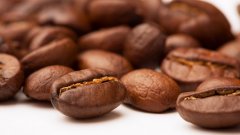
Will coffee beans wither when stored for a long time? How to preserve coffee beans correctly
Deterioration refers to the change in which the properties of polymers are reduced and cannot be recovered. Due to the action of heat, light, ultraviolet light, oxygen, ozone and various chemicals, polymer materials will change their physical or chemical properties, such as discoloration, cracking, intensity reduction and so on. These external conditions can cause the breakage or cross-linking of the polymer main chain, resulting in structural changes and reduced properties. Roasted coffee
Coffee roasting A physical change in the roasting stage of coffee at roasting temperature and time.
Professional coffee knowledge exchange more information about coffee beans Please pay attention to the importance of the physical structure of the coffee workshop (Wechat official account cafe_style). The layered structure of coffee beans has a great impact on the flavor we want. Without a specific physical structure, the chemical reactions essential to flavor and aroma will not take place. Grind the raw beans into powder and place them the same as when baking

Coffee brewing filter paper: the operation technology of qualitative filter paper diameter 11cm and the introduction of chemical experiment
Brand: curious model: dxlz medium speed qualitative filter paper chemical experiment: filter paper is often used in the experiment together with filter funnel and Brinell funnel and other instruments. The filter paper needs to be folded into a suitable shape before use. The common folding method is to fold the filter paper into a flower-like shape. The higher the folding degree of the filter paper is, the higher the surface area can be provided, and the better the filtration effect is.
What happens during coffee roasting? coffee bean roasting temperature and time coffee roasting taste
Professional coffee knowledge exchange more coffee bean information please follow the coffee workshop (Wechat official account cafe_style) roasting coffee converts the chemical and physical properties of raw coffee beans into roasted coffee products. The roasting process causes raw beans to expand and change their color, taste, smell and density, resulting in the special flavor of coffee. Unbaked coffee beans and roasted coffee beans contain
Chemical reaction of Fine Coffee in roasting
Coffee has a rich, wide range of flavors. Coffee produced in different regions, different elevations, different climates and different producing areas has its own unique characteristics. Raw beans are fragrant and have no usual coffee taste at all; the taste of coffee comes from proper roasting. Show fruity (light roasting) or caramel sweetness (deep roasting). The lighter the baking, the more sour it tastes. Baking.
Coffee Basics Chemical Reaction of Coffee in Roasting
Coffee has a wide variety of flavors. Different regions, different altitudes, different climates, different origins of coffee production have their own unique characteristics, green beans are fresh and completely without the usual coffee taste; coffee taste comes from proper roasting, showing fruity (medium light roast) or caramel sweet (deep roast). The lighter the roast, the more sour the taste.

Chemical reaction of coffee beans in roasting
Coffee has a rich, wide range of flavors. Coffee produced in different regions, different elevations, different climates and different producing areas has its own unique characteristics. Raw beans are fragrant and have no usual coffee taste at all; the taste of coffee comes from proper roasting. Show fruity (light roasting) or caramel sweetness (deep roasting). The lighter the baking, the more sour it tastes. Baking.
Chemical reflection of coffee in roasting knowledge of roasting coffee beans
Coffee has a rich, wide range of flavors. Coffee produced in different regions, different elevations, different climates and different producing areas has its own unique characteristics. Raw beans are fragrant and have no usual coffee taste at all; the taste of coffee comes from proper roasting. Show fruity (light roasting) or caramel sweetness (deep roasting). The lighter the baking, the more sour it tastes. Baking.
The process of roasting coffee
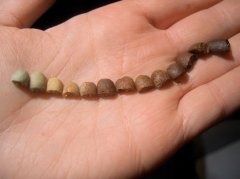
1 is the state of raw coffee beans, 2 is that coffee beans are heated at the furnace temperature 3. As the temperature rises, the free water in coffee beans begins to evaporate, and the beans begin to change from green to yellow. At this stage, beans still have obvious grass flavor. 4 coffee beans are further dehydrated, from light yellow to color similar to longan. At this stage, the free water in coffee beans is further removed, and coffee beans gradually expand 5.
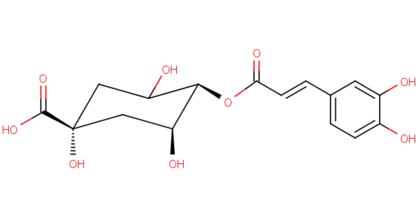
SCAA Emma Bladyka chlorogenic acid: the importance of chemical changes in chemistry and reality baking
What are they? Many plants contain chlorogenic acid in addition to caffeine. Acids have this very similar structure in the Luyuan Group, and the composition of an ester usually includes caffeic acid and quinic acid as components. All chlorogenic acids belong to a larger class of phenolic acids. In nature, phenolic acids are usually used as defensive compounds by plants, or as a signaling mechanism between plants and soil microorganisms. they

What kind of coffee are roasted in medium depth?
What are the moderate dark roasted coffee? next, the temperature rises from 205 degrees to about 220 degrees, the color of the coffee changes from light brown to medium brown, and there is about 15% weightlessness. This chemical process is called high-temperature decomposition, in which the chemical composition of coffee beans changes and releases carbon dioxide. After the first burst, there was a pause in the burst sound, and then

How to judge how the milk foam of latte cappuccino coffee affects the taste of coffee
Professional coffee knowledge exchange more coffee bean information please pay attention to the coffee workshop (Wechat official account cafe_style) cappuccino, latte, Xiaobai coffee are coffee drinks containing milk, if these coffee drinks lack of foam, we can not enjoy the smooth and full taste. Do you know what happens when milk is heated with a steam stick? Once the milk has gone through the hair

Coffee roasting Coffee Coffee making Coffee made at Home Coffee Italian mixed with beans
1 is the state of raw coffee beans, 2 is that coffee beans are heated at the furnace temperature 3. As the temperature rises, the free water in coffee beans begins to evaporate, and the beans begin to change from green to yellow. At this stage, beans still have obvious grass flavor. 4 coffee beans are further dehydrated, from light yellow to color similar to longan. At this stage, the free water in coffee beans is further removed, and coffee beans gradually expand 5.

Roasting analysis of professional coffee
Once the coffee seed is planted, no one can change its final quality. However, the color, aroma, bioactive components and health characteristics of coffee are related to the roasting process.